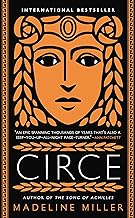
In the vast pantheon of Greek mythology, few figures have captured the modern literary imagination quite like Circe. Once relegated to a supporting role in Homer's Odyssey as the sorceress who turned men into swine, she has been spectacularly reborn in the 21st century. This resurgence is largely thanks to Madeline Miller's masterful novel, simply titled Circe. This work is not just a retelling; it's a profound reclamation, transforming a mythical footnote into a complex, powerful, and deeply human protagonist whose story resonates with contemporary readers.
From Myth to Modern Bestseller
Madeline Miller's Circe belongs to a growing and beloved genre: the mythological retelling. By taking a familiar story and viewing it through a fresh, often feminist lens, authors like Miller breathe new life into ancient tales. The novel delves into Circe's immortal life, exploring her loneliness, her discovery of power through pharmakeia (witchcraft), her fraught relationships with gods and mortals alike, and her ultimate journey toward self-determination. It's a narrative that questions power structures, destiny, and what it means to be a woman with agency in a world ruled by capricious gods.
The book's success is undeniable, often appearing on Book of the Year lists and becoming a staple for book clubs worldwide. Its popularity has spawned various editions and related works, making it a cornerstone of modern mythological fiction.
The Song of Achilles and the Miller Universe
For readers captivated by Circe, Miller's earlier novel, The Song of Achilles: A Novel (P.S.), is an essential next read. This award-winning book reimagines the epic of the Trojan War through the poignant love story of Achilles and Patroclus. Together, Circe and The Song of Achilles showcase Miller's unparalleled talent for humanizing mythological icons, focusing on emotion, intimacy, and personal struggle against the backdrop of epic events. Many fans choose to acquire both in the convenient Circe and The Song of Achilles By Madeline Miller 2 Books Collection Set.
The trend of feminist retellings doesn't stop with Miller. Novels like Clytemnestra continue to explore the stories of Greek mythology's most formidable and often maligned women, offering new perspectives on figures like Helen of Troy's sister, a queen driven by vengeance.
Circe's Global and Mystical Reach
The phenomenon of Circe has transcended language barriers, with editions like Circe [AdN] (Spanish Edition) and Ich bin Circe (the German edition) bringing her story to a worldwide audience. This global appeal underscores the universal themes of isolation, power, and redemption at the heart of the novel.
Beyond the novel itself, the figure of Circe continues to inspire in the realm of mysticism and art. The Circe Tarot deck, for instance, channels her transformative and intuitive energy into a beautiful divination tool. For those wishing to incorporate her archetype into spiritual practice, The Little Book of Circe: Invocations and Prayers offers a guide to goddess worship and connection.
Deepening the Experience: Guides and Companions
Whether you're a solo reader or part of a group, resources exist to deepen your engagement with Miller's work. A Study Guide for Book Clubs: Circe provides discussion questions, literary analysis, and thematic explorations, perfect for sparking conversation. For readers who enjoy similarly atmospheric and intellectually rich fantasy novels, Susanna Clarke's Piranesi is frequently recommended. Both books create immersive, mysterious worlds that linger long after the final page.
The enduring allure of Circe proves that ancient myths still have profound truths to reveal. Madeline Miller's novel does more than tell a story; it invites us to listen to voices history has silenced, to find power in vulnerability, and to see the witch not as a monster, but as a woman writing her own destiny. It's a landmark work in modern classics and a testament to the power of feminist retelling.